

How to Test an Outlet: What Homeowners Should Know
Sheep Electrical • Homeowner Guide
How to Test an Outlet: What Homeowners Should Know
When an outlet stops working, the first question is simple: is the problem with the device, the outlet, or the circuit behind it? A multimeter can provide clues, but a reading alone does not establish that an outlet is safe.
First, look at the symptoms
Note whether one outlet has stopped working or several nearby outlets are affected. Think about what changed: a new appliance, recent rain, a tripped protective device, or work elsewhere in the home. Those details help narrow the investigation without removing a cover or touching wiring.
If the outlet looks normal and there is no heat, odor, damage, or moisture, checking the original device at another known-working outlet can help distinguish an appliance problem. Do not use a damaged outlet simply to see whether it still works.
What a multimeter can tell you
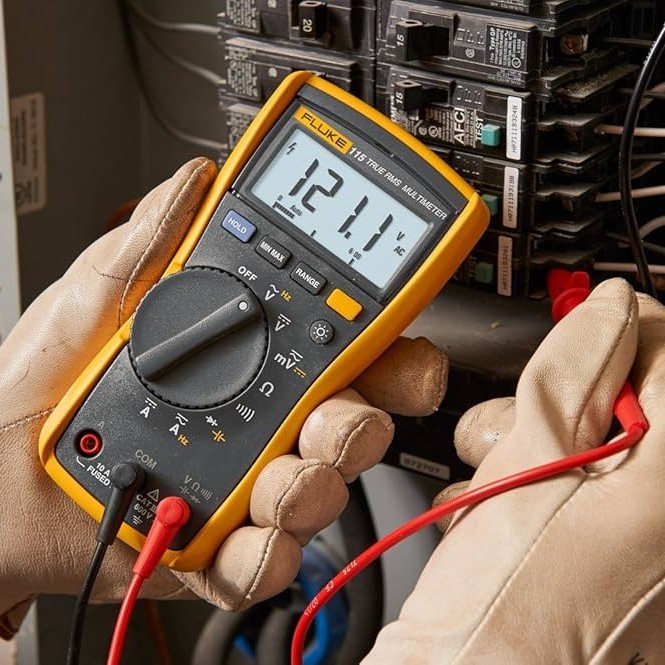
A properly selected and correctly used meter can measure voltage between test points. An electrician interprets those readings alongside circuit condition, connections, load, and other tests. A voltage reading is a snapshot, not a complete inspection.
A normal-looking reading does not rule out a loose connection, a problem that appears only under load, or an ineffective grounding path. Likewise, an unexpected reading needs interpretation; it does not automatically identify which component should be replaced.
Why live testing deserves care
The meter, test leads, input connections, and measurement mode all matter. Using the wrong configuration around household voltage can create a shock or equipment hazard. This is why a general homeowner guide should not replace training or the instrument manufacturer’s instructions.
A plug-in tester has limitations, too. Its indicator pattern may identify certain wiring conditions, but it cannot certify the entire circuit. Never remove a panel cover or open an outlet box to investigate a reading yourself.
When to stop using the outlet
- Burning odor, discoloration, buzzing, or unusual warmth.
- A loose receptacle that will not hold a plug securely.
- Repeated trips, visible damage, or evidence of water exposure.
- A shock or tingling sensation from an appliance or device.
Arrange an evaluation rather than repeatedly resetting a breaker or protective outlet. For smoke, fire, or an immediate threat, move away and call emergency services.
What to share when you call
Tell us which outlets are affected, when the problem began, and what equipment was running. You can also describe any indicator lights or prior test results without repeating the test. Our outlet and switch service focuses on finding the cause before recommending a repair.
Make your next step a clear one
Have an outlet that is unreliable or concerning? Sheep Electrical can help you understand the problem and the next step for your Metairie or New Orleans home.
Call 504-940-7840Further reading: ESFI electrical warning signs

