
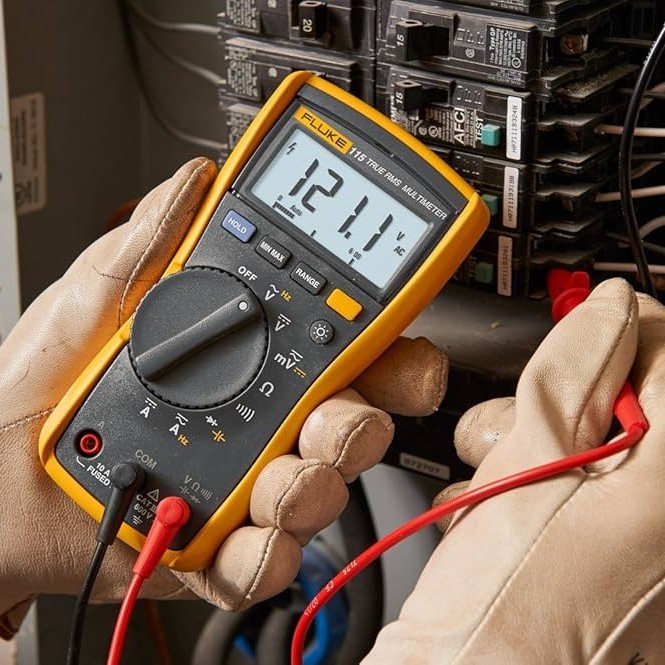
How to Test an Outlet: What Homeowners Should Know
An outlet test is only part of the picture. Learn what a multimeter can reveal, which warning signs matter, and when to call an electrician.
An outlet test is only part of the picture. Learn what a multimeter can reveal, which warning signs matter, and when to call an electrician.
A flickering lamp and lights changing brightness throughout the house can point to very different problems. The pattern matters more than how annoying the flicker feels.
A window air conditioner can be a sensible way to cool a room. The important questions are whether it suits the space, whether it is maintained, and whether the electrical supply matches its requirements.
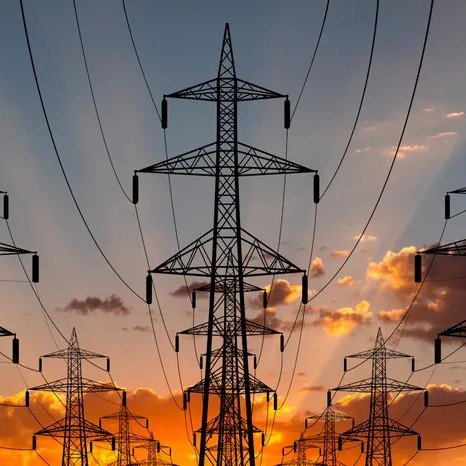
Knowing the main parts of your electrical service makes it easier to describe a problem and understand a repair estimate. You do not need to open anything to learn the basic route.

Two bulbs can be equally bright and make a room feel completely different. Color temperature explains part of that difference—and it is easier to choose when you compare it in your own space.

Finding ceramic knobs and old wiring in an attic can raise an immediate question: is it still in use? Appearance alone cannot answer that, and old wiring should not be disturbed to find out.
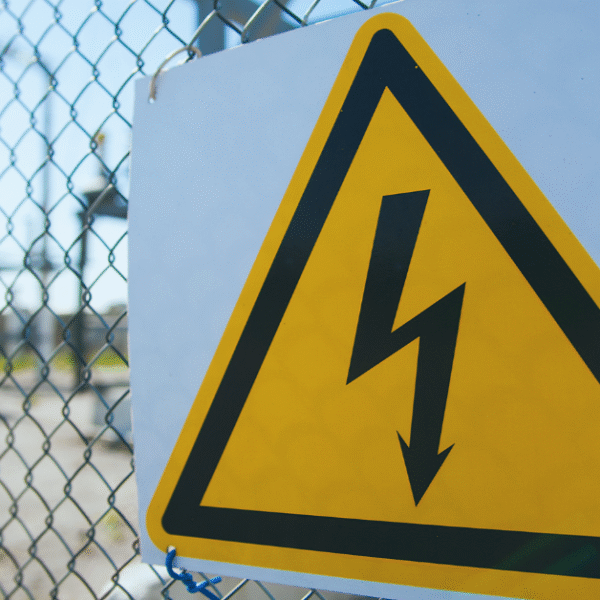
Everyday electrical safety is mostly about noticing changes, using equipment as intended, and addressing small concerns before they become part of the routine.
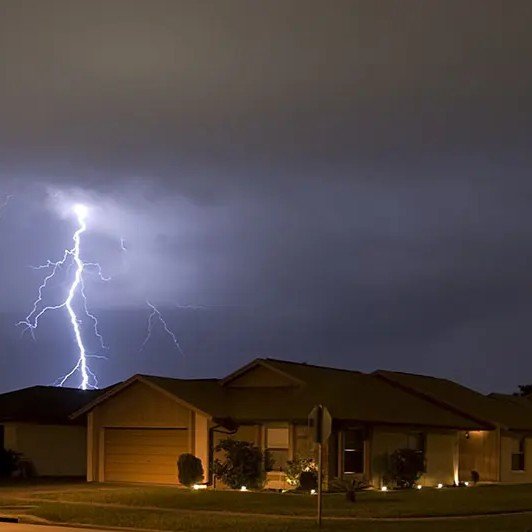
Modern appliances and electronics contain sensitive components. Surge protection can help reduce exposure to certain brief voltage spikes, but it is important to understand the limits.

A higher bill does not automatically mean the wiring is faulty. Start by separating the amount of electricity used from the rate and other charges on the bill.
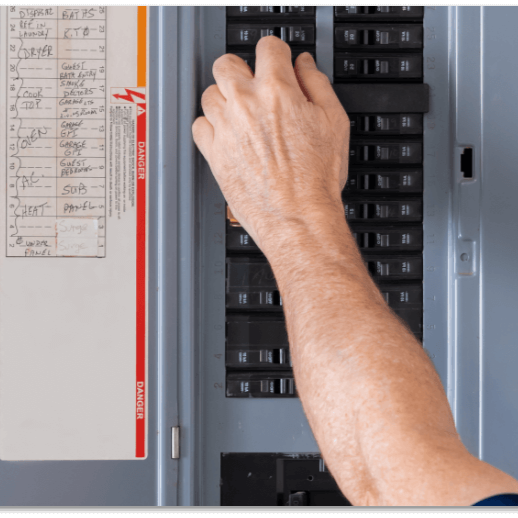
You do not need to open the panel to notice that something has changed. Repeated trips, visible damage, or unusual sounds are reasons to ask for an evaluation.